 Mr Viral
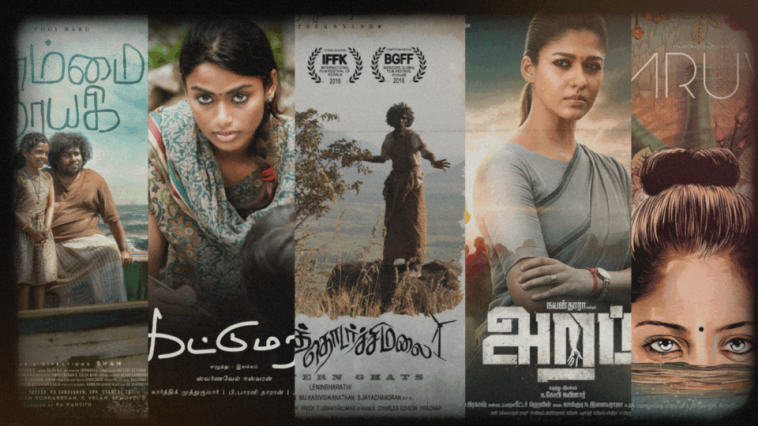
With ‘Dhadak 2’, a remake of Tamil film ‘Pariyerum Perumal,’ bringing caste realities to a wider audience, here are five other Tamil films that tackle social inequality with unflinching honesty.
Artwork by Sharanyaa Nair
There’s a reason Dhadak 2, the Shazia Iqbal directorial starring Sidhhant Chaturvedi and Triptii Dimri, is making waves across the box office and social media. Emotionally gripping and politically resonant, the film explores the excruciating and often unspoken reality of inter-caste love.
Even as it draws flak for its use of “Brownface”, it has cracked open conversations on a social reality that often gets swept under the rug. Part of a growing wave of mainstream cinema that uses the subtlety, nuance, and realism of its Indie counterparts, it’s a film that explores the complex and often sensitive aspects of romance between upper and lower caste individuals. The spiritual sequel of its romantic predecessor, Dhadak, this Dharma Productions film is a remake of the Tamil movie Pariyerum Perumal (2018), a critically acclaimed film by Mari Selvaraj. While Dhadak 2 is more focused on the socio-political undertones of such relationships, its predecessor was more of a dream sequence. Electrifying, gruesome, and immensely tragic, Pariyerum Perumal did not shy away from exposing the deep-rooted problems of caste discrimination, violence, and oppression that remain entrenched in our society to this day.
Contemporary Tamil Cinema has long been at the forefront of taking on taboo topics through a cinematic lens. From Super Deluxe (2019) to Karnan (2021), the range is ever-evolving. Whether tackling LGBTQIA+ themes, rural issues, police brutality, or gender-based violence, the modern wave of Tamil filmmakers and storytellers is reclaiming the screen to spotlight pervasive social issues. If you liked Dhadak 2, here are a few others you could check out.
1) Bommai Nayagi (2023)
Director Shan marks his cinematic debut with this musical drama, hailed for its sensitive yet sound depiction of caste-based sexual oppression in India. The plot revolves around Velu (Yogi Babu), a happy-go-lucky tea stall owner, and his 9-year-old daughter, Bommai Nayagi, who’s named after a local deity. His life comes crashing down when his child is brutally sexually abused by influential upper-caste men during a village festival. What follows is Velu’s obstacle-ridden path to justice, confronting the systemic barriers stacked against him. Such films help raise awareness about the harsh reality of rural caste-based sexual assault, which disproportionately affects women and children.
2) Kattumaram (2019)
Tamil cinema has long been vocal about its exploration of queer undertones in the Indian context. Kattumaram follows suit. It traces the journey of Singaram (Mysskin), an old, conservative village fisherman who is trying to get his beloved niece, Anandhi, a schoolteacher, to settle down. While he wants her to be with the perfect groom, he’s unaware of her growing lesbian relationship with another teacher, which is already serving as fodder for gossip in the community. The film explores the patriarch’s dilemma—should he side with love or uphold societal norms? Director Swarnavel Eswaran decision to set the film against the traumatic backdrop of a tsunami disaster adds a layer of urgency and grief to an already complex narrative.
3) Merku Thodarchi Malai (2018)
This picturesque Lenin Bharathi film encapsulates life along the Kerala-Tamil Nadu border of the Western Ghats. Anchored by long, meditative shots and an Ilaiyaaraja-backed score, the movie centers around Rangaswamy, aka Rangu, a laborer working on the spice plantations. Juxtaposing the picturesque frames of the terrain with the laborers’ grueling daily routine, the film humanizes their struggle. Through Rangaswamy’s persistent desire to own land, the film offers a lens into the institutional hurdles faced by those pushed to society’s margins. Switching between musical interludes and narrative scenes, the film follows Rangu as he navigates corrupt politicians and murky land politics to secure a piece of his dream. While the background score sonically transports you to the mountains, the film visually emphasizes the unsung socio-political hardships of laborers like Rangu.
4) Aramm (2017)
Thirst is the central character of this film. In a village grappling with water shortage and poor sanitation, a four-year-old girl accidentally falls into a neglected borewell. District collector Madhivadhani (played by Nayanthara) leads a tense rescue operation to get to the bottom of the incident. Using the water crisis as a backdrop, director Gopi Nainar highlights the glaring issues surrounding infrastructure and government apathy on a grassroots level.
5) Aruvi (2016)
A poignant commentary on consumerism and misogyny, Aruvi follows the story of its titular character (played by Aditi Balan), who, despite being raised in a loving home, is presently being questioned by the cops for being part of a terrorist organization. Director Arun Prabhu Purushotham uses an inherently flawed character to talk about societal injustices and hierarchical issues from the female gaze. Her intense monologues help create a causal relationship between her words and actions, consistently defying societal expectations every step of the way.






GIPHY App Key not set. Please check settings