 Mr Viral
Best Shampoo and Conditioner Set: Neutrogena Moisturizing Healthy Scalp Hydro Boost Shampoo & ConditionerOriginal photo from Norell Zable testing Neutrogena Moisturizing Healthy Scalp Hydro Boost Shampoo & Conditioner
Original photo from Norell Zable testing Neutrogena Moisturizing Healthy Scalp Hydro Boost Shampoo & Conditioner
Original photo from Norell Zable testing Neutrogena Moisturizing Healthy Scalp Hydro Boost Shampoo & Conditioner
9/9
Neutrogena Moisturizing Healthy Scalp Hydro Boost Shampoo & Conditioner
Why we love it: Budget-friendly; shampoo and conditioner are designed to work together; very hydrating but still lightweightWhat could improve: Some users aren’t fans of the scent.Key ingredients: Hyaluronic acidFragrance-free: NoIf you’d rather grab a full routine in one go, this hyaluronic-acid-rich duo is a solid drugstore option. Neutrogena’s Healthy Scalp Hydro Boost lathers easily, rinses clean, and leaves the scalp feeling refreshed. At the same time, the companion conditioner delivers an extra dose of hydration that won’t weigh down fine or flat-prone hair.
Testing notes: “I’m a big fan of Neutrogena Hydro Boost products—I’m currently loving the wipes, conditioner, and face wash—so I was very excited to try the Healthy Scalp Shampoo,” says Zable. “My hair and scalp felt so clean afterward, and I definitely noticed it lathered really easily and rinsed out nicely. Even my long, fine hair dried with volume at the scalp, which doesn’t happen often. This one is a 10/10 drugstore purchase in my eyes!”
Others we tested
We loved this lightweight, fragrance-free formula with hair-nourishing ingredients like burdock root and gentle cleansing glycosides. It left our tester’s hair clean, bouncy, and voluminous—a major upgrade from limp, dandruff-prone strands she’d been struggling with. It ultimately didn’t make our top list because it doesn’t lather as much as other shampoos and isn’t as widely available.
This gentle, sulfate-free formula thoroughly cleanses the scalp while leaving hair free of buildup, shiny, and full, thanks to ingredients like menthol and neem leaf extract. Our editor noticed reduced oil and fewer flakes, making it easier to extend the time between washes. It didn’t make our top picks, though, because we preferred other drugstore formulas overall.
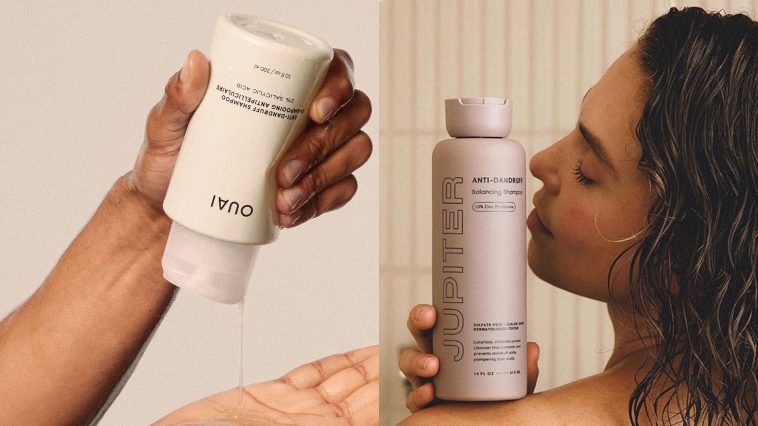
Glamour editors have long been fans of Ouai’s Anti-Dandruff Shampoo for its impressive dose of 2% salicylic acid, which helps slough off dead skin and reduce scaling on the scalp that can cause flakes, plus an active ingredient called propanediol caprylate, which pros tell us may help reduce the amount of dandruff-causing bacteria. Testers liked that this particular shampoo didn’t feel medicinal and still delivered real results. It didn’t make our top picks because of the intensive chemical exfoliant, which can be irritating for sensitive scalps. Also, its basil- and ginger-forward scent was polarizing, with some of our testers finding it overwhelming.
Our testers found that this roucou-oil-powered shampoo effectively washed away flakes, buildup, and excess oil without drying out the scalp or hair. Its soothing formula also reduced itchiness for days at a time, but our testers found its scent too sterile and the bottle too spill-prone, so it stayed off our final “best of” list.
Frequently asked questions
What should I look for in a shampoo for dry scalps?
Moisturizing ingredients: “Look for scalp moisturizing ingredients like aloe vera, which helps to calm irritation and restore moisture; glycerin, which draws moisture from the air to the scalp; and hyaluronic acid, another powerful humectant that deeply hydrates both the hair and scalp,” says Roger Kapoor, MD, a board-certified dermatologist and senior VP of Beloit Memorial Hospital in Roscoe, Illinois. Coconut oil, jojoba oil, and argan oil are also beneficial, since they’re lightweight oils that closely mimic the natural oils of the scalp, helping to restore moisture without leaving a greasy residue.
Anti-inflammatory ingredients: Soothing ingredients such as tea tree oil, peppermint oil, chamomile, and oatmeal extract can also calm irritation and discomfort, says Dr. Kapoor.
Anti-dandruff ingredients: If dryness is causing excessive flaking or if the root of your problem is a condition like seborrheic dermatitis, shampoos with zinc pyrithione or selenium sulfide—commonly found in dandruff shampoos—can also be beneficial, says Dr. Kapoor.
Are dandruff and dry scalp the same?
Dry, flaky scalp and dandruff are not the same thing. Dry scalp is caused by a lack of moisture; dandruff usually stems from an overly oily scalp. While some symptoms overlap, the two conditions respond better to different treatments.
“Dandruff is caused by a skin condition called seborrheic dermatitis, which is linked to a yeast called Malassezia that naturally lives on the skin,” says Iris Rubin, MD, a board-certified dermatologist. “For dryness and flaking caused by seborrheic dermatitis, dandruff shampoos, which include ingredients such as ketoconazole, selenium sulfide, salicylic acid, or zinc pyrithione, can be a big help.”
A dry scalp, however, might be triggered by something else entirely—like contact dermatitis or a reaction to hair products. With that in mind, treating a dry scalp as if it’s dandruff might not help—and in some cases could even make it worse. Dr. Bowles suggests swapping shampoos that rely on harsh, sudsy surfactants for milder cleansers infused with conditioning ingredients like glycerin, hyaluronic acid, and ceramides. “If you have flaking or buildup in addition to dryness, salicylic acid or a low-concentration exfoliant can help gently remove dead skin cells without over-drying,” she says. “Also, try to avoid frequent use of strong alcohols or harsh fragrances in your shampoo, as these can aggravate dryness and sensitivity rather than resolving it.”
“If you’re unsure whether your dry, itchy scalp is due to dry skin, seborrheic dermatitis, or contact dermatitis, it’s best to schedule an appointment with a dermatologist,” says Dr. Rubin.
How can you incorporate a shampoo for dry scalp into your routine?
When you’re dealing with dryness, Dr. Bowles, says consistency and balance are key. “Most people do well using a hydrating or gentle dry scalp shampoo two to three times per week, depending on how often they wash their hair and how dry their scalp feels,” she explains. “Overwashing can strip away natural oils and make dryness worse, so it’s best to give your scalp a day or two between washes when possible.” On non-washdays, she recommends using a light scalp mist or a leave-in serum to maintain moisture levels.
If your scalp is very dry or flaky, start by alternating your regular shampoo with a medicated or moisturizing formula. This allows your scalp to heal without feeling greasy or weighed down. Always massage the shampoo gently into your scalp for one to two minutes to help lift buildup and allow nourishing ingredients to penetrate. And don’t forget to rinse thoroughly and follow with a lightweight conditioner or scalp oil. Over time, this gentle and consistent approach can help restore comfort and balance to your scalp.
Other tips for addressing a dry, flaky scalp
The good news is that you have options. Overall, Dr. Bowles says, forming a gentle, consistent routine that focuses on both hydration and scalp barrier repair will be your best bet. First step: Avoid using very hot water when washing your hair, as warm or cool water helps preserve your natural oils. Incorporating a weekly scalp treatment, such as a lightweight oil or hydrating mask, can provide extra nourishment and relieve tightness or itching. ”I also advise patients to be mindful of their styling habits,” she says. “Harsh chemical treatments, heat tools, or dry shampoos used too frequently can all contribute to flaking.” If flakes persist, it’s worth seeing a dermatologist to determine whether it’s truly dryness or something like seborrheic dermatitis, which may require a medicated shampoo with ingredients such as pyrithione zinc, selenium sulfide, or ketoconazole.
Beyond shampoo, there are many over-the-counter scalp oils or serums containing ingredients like jojoba oil, hyaluronic acid, or ceramides that can help replenish moisture. “Using a gentle exfoliating treatment once or twice a month, like one with salicylic acid or lactic acid, can also remove dead skin buildup and allow moisturizing products to work more effectively,” says Dr. Bowles. At home, she suggests using a humidifier during the colder months to add moisture to the air, helping keep your scalp from drying out. For persistent or severe dryness, Dr. Bowles says, your dermatologist may recommend prescription topical steroids or medicated treatments containing antifungal or anti-inflammatory ingredients if conditions such as seborrheic dermatitis or psoriasis are contributing. “In-office treatments such as hydrating scalp therapies, light therapy, or platelet-rich plasma (PRP) treatments may also help restore balance to the scalp environment,” she adds.
And don’t forget the basics: “Drinking enough water and maintaining a balanced diet rich in healthy fats can make a visible difference in your scalp’s comfort and overall skin health,” Dr. Bowles explains. “Treat your scalp like an extension of your skin. Gentle care, moisture, and protection will go a long way.”
Hadley King, MD, board-certified dermatologist in NYCTylor Johnson, expert hair colorist and founder of Nous HaircareConnie Yang, MD, cosmetic dermatologist at PFrankMD in NYCKerry E. Yates, trichologist and founder of Colour CollectiveIris Rubin, MD, board-certified dermatologistAlexandra Bowles, DO, board-certified dermatologist at Mona Dermatology in CincinnatiChristine Bellemare, professional hairstylist and cofounder of Maven a Collect






GIPHY App Key not set. Please check settings