 Mr Viral
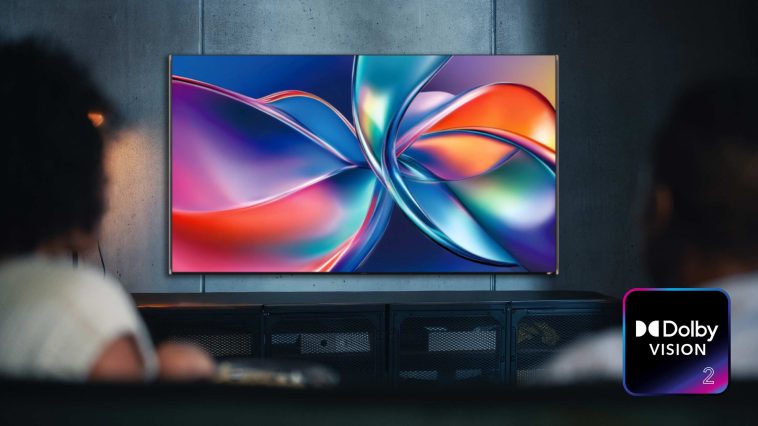
Finally, another form of TV marketing speak that means nothing! I’ve been a TV nerd for years, and one thing that almost always disappointed me was Dolby Vision. At first, I thought it was great to have a standard to rely on, but in practice, it’s usually so different on each TV that I have no idea what the point of it truly is.
In the best-case scenario, a Dolby Vision-tuned image on a super high-end display will look better than an HDR10+ image with the same settings enabled, but the use case for that is so limited that when I decided to invest in a top-end OLED earlier this year, I bought a Samsung that doesn’t even have Dolby Vision support. And it looks better than probably 98 per cent of other TVs, regardless of whether they support Dolby Vision or not.
At the end of the day, it’s mostly about colour, brightness and contrast to get a good image, and there are so many Dolby Vision TVs that just don’t have the brightness or the contrast to really make it work, which has been a let-down. This Amazon TV I reviewed earlier this year is a good example.
That said, I was shocked this morning when I saw that Dolby was releasing a sequel to this software. However, after reading the press release, I realized this was a classic case of a company injecting AI into something.
Dolby Vision 2 will use AI to clarify dark scenes by using deeper blacks to improve contrast. It will also use light sensors built into many modern TVs to adjust the picture to fit the best ambient light in the room. Finally, the press release says that sports and gaming will benefit from Dolby Vision.
Moving past AI, the best part of the update is that Dolby Vision will now take advantage of the enhanced brightness of modern TVs with improved tone-mapping that will allow creators to display more brightness and colours while still abiding by the Dolby Vision spec.
Sike, there are more AI features with something called ‘Authentic Motion’ that’s meant to remove judder from scenes without removing the cinematic intent of the creatives. If this works, it could be okay, but in my experience, all TVs have varying levels of judder, and the best way to combat it is to give each user detailed control over it.
For instance, on my Samsung TV, a judder reduction slider can be separated from the rest of the motion smoothing. Because of how my panel operates, I need judder reduction on level 3 out of 10. My friend has a different Samsung TV, and we don’t use the Judder reduction software on it at all. All this is to say, it will probably vary depending on the TV how well the AI features will work on it.
Hisense will be the first brand to release a Dolby Vision 2 TV, but we don’t yet know when it will be released. However, I wouldn’t worry about that since there isn’t any content mastered in Dolby Vision 2, so there’s no need to get a TV that supports it. French streaming giant Canal+ has pledged to start mastering in the new format, but that’s the only one listed in the press release.
Source: Dolby
MobileSyrup may earn a commission from purchases made via our links, which helps fund the journalism we provide free on our website. These links do not influence our editorial content. Support us here.






GIPHY App Key not set. Please check settings