 Mr Viral
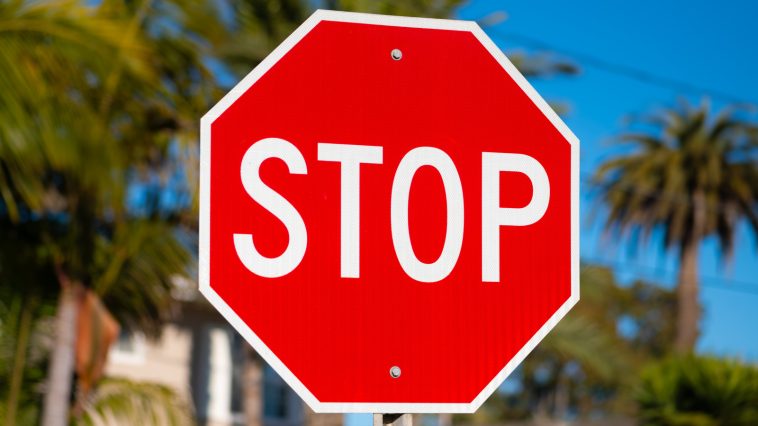
PHOTOGRAPHY IS ON/Shutterstock
Most of us have been guilty of performing a rolling stop – sometimes called a California Stop or California Roll – especially at an otherwise-empty intersection. This type of stop is exactly what it sounds like, and actually isn’t a stop at all! They occur at stop signs and red lights, and happen when the driver doesn’t come to a complete stop before proceeding. And it can be a dangerous choice. While the exact number of accidents related to rolling stops is unknown, the Federal Highway Administration reports that every year, half of traffic injuries and about 25% of traffic fatalities are due to accidents that occur in or near an intersection.
Not only are rolling stops dangerous, but they’re also illegal in every state per the Uniform Vehicle Code. While some traffic laws differ from state to state, like cell phone use or speed limits, failing to make a complete stop at a stop sign or a red light could earn you a ticket no matter where you are.
If you’re in a rush or the intersection is empty, you may not even realize that you’ve performed a rolling stop. We’ll help you learn more about how a rolling stop is defined, when it happens, if it’s ever allowed, and what the consequences could be if you’re caught.
The consequences of a rolling stop
Gvandolini/Shutterstock
Whether you’re a cautious driver or a more adventurous soul, you can usually tell when your tires have completely stopped moving. A rolling stop typically occurs when you slow down below five mph but don’t fully stop. It could happen because you’re in a rush, there are no other cars around, or because you’re distracted by a phone call or someone else in your vehicle. It could also be a habit you’ve knowingly or unknowingly formed if you typically drive on quiet roads without a lot of traffic.
Whatever the reason, you could potentially cause an accident or, at the very least, receive a ticket. You could also hit a pedestrian who assumed you were following the law and stopping, especially if there’s a crosswalk at the intersection. Fines can vary by state, but could range from $50 to several hundred. In states with penalty point systems, you may also acquire points on your driving record. Enough points, and you lose your license. The cost of your insurance is also very likely to increase. Of course, if you hurt or kill someone, expect severe consequences, including the loss of your license and even jail time.
It’s important to note that these laws typically apply only to vehicles. Many states, including Oregon and Washington, have bicycle rolling stop laws, which allow bicyclists to navigate an intersection without coming to a complete stop when it is safe to do so without endangering traffic or pedestrians. Remember, however, that electric bikes and scooters may not fall under these same bicycle laws.




GIPHY App Key not set. Please check settings