 Mr Viral
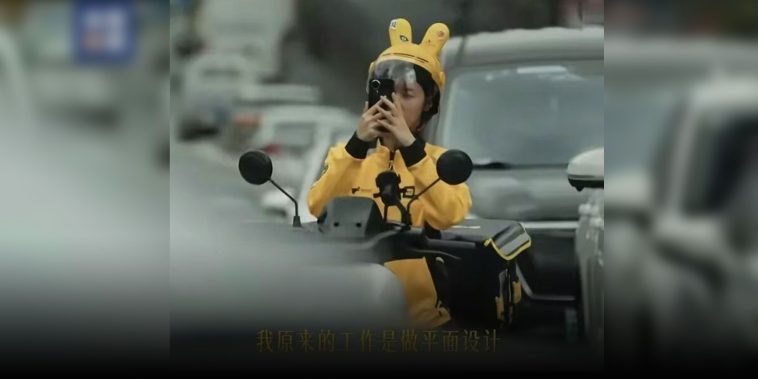
“My name is A Lan, I’m a delivery girl in Dali…” the narrator says as she winds through the mountains of southwestern China’s Yunnan province. She dreams of becoming a photographer, each delivery bringing her a little closer.
She appears in a spotless yellow jacket and a matching helmet with bunny ears, a camera hanging at her neck. After three months of riding, she saves enough to buy a 15,000-yuan ($2,100) camera and even stages a small exhibition of the images she captures between deliveries.
The scenes come from a three-minute film released Dec. 2 by food delivery giant Meituan and state media, but lasted only a day online before viewer backlash over its rosy portrayal of delivery work prompted its removal.
On Douyin, China’s version of TikTok, hashtags related to the topic have drawn more than 10 million views, with users ridiculing the film as jitang — literally, “chicken soup” — a slang term used to describe toxic positivity.
“It’s clear from the video that not only has the director never been a food delivery driver, but also that he has never ordered take-out,” one user said in a video response on Xiaohongshu, also known as RedNote, receiving more than 29,000 likes.
A part of China’s booming gig economy, Chinese food delivery platforms employ a whopping 10 million drivers. The sector is notorious for its harsh working conditions, with riders spending long hours navigating traffic and racing against tight deadlines, often without water or bathroom breaks.
For many riders, the ad feels disconnected from reality. After being laid off from her previous job, 26-year-old He Xu moved to Yunnan, where she juggles food delivery and photography — much like the protagonist of the Meituan ad.
But He said her experience looked nothing like the ad. Unfamiliar with the system and local roads, she earned just 87 yuan ($12) after nearly 12 hours of work on her first day.
“Being a food delivery rider is exhausting and anxiety-inducing for me,” she told Sixth Tone. “All my focus has to stay on one thing: balancing my own safety on the road with delivering the food as fast as possible.”
The average monthly income of high-frequency delivery riders — those who work more than 26 days a month on the platform — ranged from 7,230 to 10,100 yuan in the first quarter of this year, according to Meituan.
In 2021, another short film drew criticism for depicting a delivery rider living alone in a well-renovated studio apartment in central Shanghai — estimated to cost around 8,000 yuan per month — while sustaining the lifestyle on just 30 deliveries a day. In reality, standard deliveries earn drivers around 5 yuan per order.
In 2024, Chinese director and actor Xu Zheng also faced backlash for sidestepping systemic issues in the industry — including delivery riders’ lack of labor protections — in his film, “Upstream.”
In an opinion piece, the Shanghai Observer argued that individual dreams can go hand-in-hand with corporate development. The problem arises when such dreams are no longer rooted in reality.
As one netizen surmised, “The way to kill a bird is to insist it’s singing, no matter how desperately it cries.”
Editor: Marianne Gunnarsson.
(Header image: A screenshot from a promotional video released by Meituan showing a delivery woman taking photos during her ride.)






GIPHY App Key not set. Please check settings