 Mr Viral
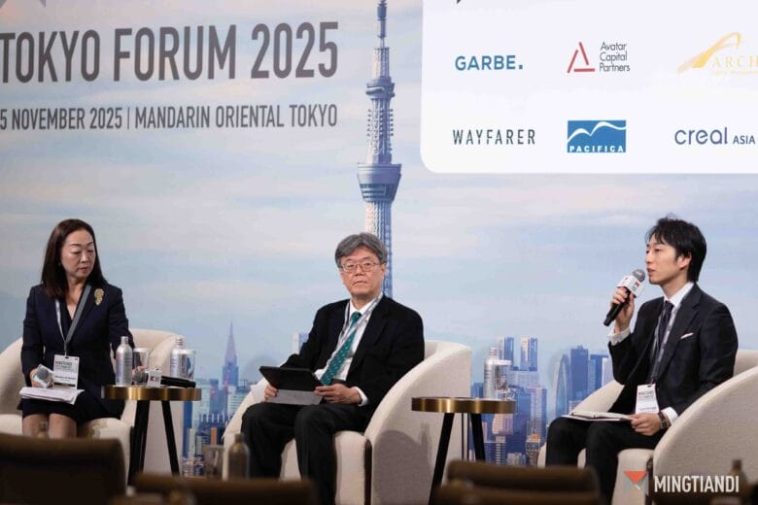
Building owners can boost rental income, optimise maintenance costs and maximise valuation by harnessing non-energy benefits, according to speakers from property services firm Deloitte Tohmatsu Group at the Mingtiandi Tokyo Forum.
Yuichi Sunaga, a senior manager at Deloitte Tohmatsu Consulting, sat down at this week’s full-day event for an interview in which they explained the usefulness of NEBs (pronounced nebuzu) in quantifying the value of green buildings.
The advantages of the approach include higher worker satisfaction and cost reductions from optimal facility usage, which in turn lowers maintenance fees, they told the audience of over 200 delegates at the Mandarin Oriental Tokyo.
“So clearly when we talk about NEBs, then it turns to raising the cost of, or the value of, the real estate property itself in terms of profitability, like the rent premium,” Sunaga said. “Obviously the comfortability is increasing. So it reflects that the health and productivity can also be increased.”
Foreign Investors Swoop
Enhancing asset values has taken on new urgency after Japanese real estate acquisitions by foreign investors hit a first-half record of JPY 1.14 trillion ($7.76 billion) in 2025, according to CBRE data.
Yuichi Sunaga speaks during the spotlight interview with Deloitte Tohmatsu
In addition, US private equity firms have been backing buyouts of Japanese companies with an eye towards unlocking unrealised value from real estate assets on their balance sheets, as in the case of KKR’s $4 billion take-private of systems developer Fuji Soft.
Masayuki Ito, a partner at Deloitte Tohmatsu Financial AdvisoryIto, noted the example of Fuji Soft’s September sale of the Fujisoft Akihabara Building in Tokyo’s Chiyoda ward to real estate giant Hulic for JPY 33.8 billion ($220 million), with KKR-owned KJR Management agreeing to handle asset management duties for the 31-storey office tower.
“By selling that very valuable real estate, they can reinvest in the revitalisation of their core business and divest that asset which is not creating too much value and monetise it,” Ito said.
Beer maker Sapporo Holdings has taken a more defensive stance with the sale of its real estate holdings by creating a separate property subsidiary and intending to retain a minority stake in the unit alongside the ultimate buyer.
“After selling a majority stake, Sapporo can retain its minority share and when the value of the real estate increases they can enjoy the capital gain from that,” Ito said.
Sydney to Star in 2026
With the 2025 calendar of events concluded, Mingtiandi will return next year with a lineup of online forums exploring key trends in residential, logistics and data centre markets.
The 2026 programme also expands the on-location series Down Under with an inaugural forum in Sydney, alongside Mingtiandi’s established events in Singapore and Tokyo.
Building on the success of the online forums and the growing turnout at the Singapore and Japan events, the first-ever Australia event aims to create new opportunities for investors, fund managers and developers to connect across the region.
An Interview in Pictures





GIPHY App Key not set. Please check settings