 Mr Viral
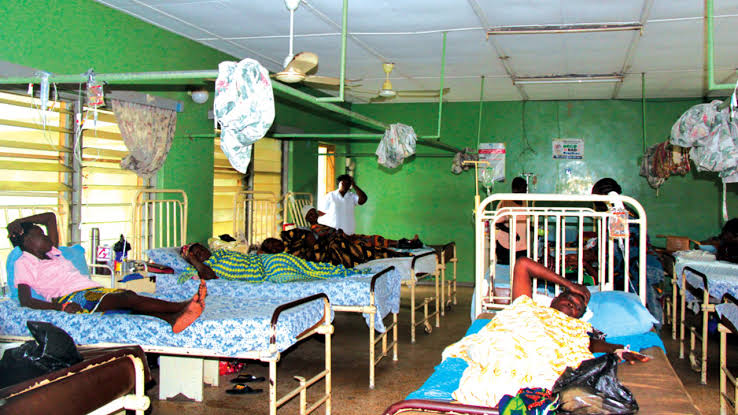
Ahead of the ECOWAS Lassa Fever International Conference 2025, regional public health experts have urged African governments to adopt innovative financing models for health research and vaccine development.
They made the call at a preparatory webinar on Wednesday titled ‘Financing the Future: Integrating Vaccine R&D Preparedness into Sustainable Health Policy’, moderated by Head of Lassa Engagement at CEPI, Oyeronke Oyebanji.
The conference, scheduled for September 8-11 in Abidjan and themed ‘Beyond Borders: Strengthening Regional Cooperation to Combat Lassa Fever and Emerging Infectious Diseases’.
It seeks to reaffirm regional commitment, mobilise political will, and drive collective action against Lassa fever and other emerging infectious diseases. They warned that continued reliance on external donors poses a threat to the continent’s epidemic preparedness.
The experts emphasised the need for Africa to develop locally tailored financing mechanisms that combine government investment, philanthropic contributions, and private sector participation to sustain research and development.
Nicaise Ndembi, deputy director general of the Inaugural International Vaccine Institute (IVI) regional Africa office and head of mission, IVI Rwanda, cited the Korean model, where governments guarantee 50 per cent of funding for promising R&D projects.
Mr Ndembi said that foundations such as the Gates Foundation contribute a significant portion, combined with other sources, including domestic funding, to ensure accountability and shared ownership.
He added that such frameworks would not only strengthen epidemic preparedness for Lassa fever, chikungunya, and dengue, but also stimulate innovation and job creation in Africa’s bio-industry sector. He noted that despite repeated continental commitments to invest at least one per cent of GDP in research, most African countries fall short, leaving critical R&D initiatives underfunded.
Pétronille Zengbé, director-general of research and innovation, Ministry of Higher Education and Scientific Research, Côte d’Ivoire, highlighted the competing health priorities in West Africa, including infectious disease outbreaks, maternal health, and nutrition. Ms Zengbé noted that these challenges often divert attention from long-term investments in vaccine R&D.
Ms Zengbe proposed an innovative domestic financing model, allocating a small percentage of revenue from agricultural exports, such as coffee and cocoa, to fund health research, thereby linking economic productivity to scientific reinvestment.
Kwasi Nyarko highlighted the success of MenAfriVac, a meningitis A vaccine developed for Africa’s meningitis belt, which received $70 million in initial financing, far below the usual $500 million cost, through collaborative partnerships and strategic market planning.
He also pointed to the investment gap in Africa, noting that most countries spend less than 0.7 per cent of GDP on research, compared to 0.3 per cent in the EU and nearly three per cent in China.
Meanwhile, Nigeria’s Coordinating Minister of Health and Social Welfare, Muhammad Ali Pate, would participate as a special guest at the conference.
(NAN)
We have recently deactivated our website’s comment provider in favour of other channels of distribution and commentary. We encourage you to join the conversation on our stories via our Facebook, Twitter and other social media pages.






GIPHY App Key not set. Please check settings