 Mr Viral
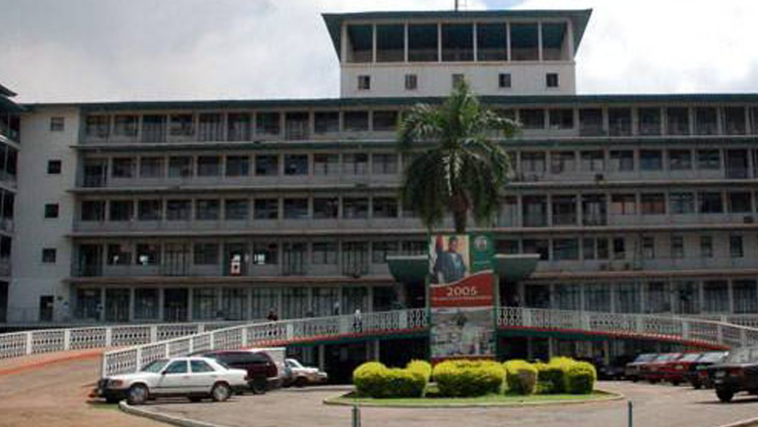
Some medical experts have highlighted the health implications of improper medical waste disposal and offered solutions for hospitals on proper ways to dispose of medical waste.
The Oyo State Hospitals Management Board’s chairman, Akin Fagbemi, said medical waste should be sorted at the point of generation into non-hazardous waste.
Hazardous wastes, according to him, are more likely to cause harm and, as such, require special treatment.
Mr Fagbemi said that hazardous wastes include infectious wastes, contaminated by blood, body fluid, and pathological waste, which may contain body parts, foetuses, and placentas, among others. He emphasised that a major consequence of poor medical waste management and disposal is the transmission and spread of infectious diseases such as viral hepatitis and HIV.
The OYSHMB chairman said such transmissions could occur in epidemic proportions. Mr Fagbemi said hospitals in the state largely carried out their waste management in line with the waste management policy to varying degrees.
According to him, some facilities, such as Jericho Specialist Hospital, have locally fabricated incinerators that are safe and very effective. The OYSHMB boss further advised hospitals and stakeholders to promote practices that reduce the volume of waste generated.
He called on them to diligently ensure segregation of waste in all facilities and encourage less utilised and more environmentally friendly approaches, such as autoclaving for treatment of hazardous waste. He also restated the need for ongoing awareness and training of health workers on waste management, along with continuous monitoring of waste management practices by facility heads.
Also, the UCH Ibadan chief medical director, Jesse Otegbayo, said that if not properly disposed of, medical waste could lead to environmental contamination, the spread of infectious diseases, and an epidemic outbreak.
Mr Otegbayo disclosed that the UCH, Ibadan, disposed of medical wastes in accordance with the Medical Waste Disposal Policy. The UCH CMD pointed out that best practices for ensuring the appropriate disposal of medical waste should include using autoclaving to treat infectious waste.
Mr Otegbayo also stressed the importance of using incineration for pathological and hazardous wastes. He urged the government to establish and enforce national guidelines and standards for medical waste management and allocate resources and funding for waste management infrastructure and training.
According to him, the government should conduct regular inspections and audits to ensure compliance and collaborate with private sector organisations to improve waste management practices.
He further advised hospitals to always separate infectious, non-infectious, and hazardous waste at the point of generation. This, he added, could be achieved by colour-coding the wastes using leak-proof plastic bags.
Muhammed Odedeji, medical director at Ashamby Hospital, Ibadan, described medical waste as waste generated from various medical activities, which could be within the hospital, clinics, etc. Mr Odedeji, also the head of Afijio Local Government Health Authority, emphasised that medical wastes should not be disposed of indiscriminately; they should be sorted first due to the presence of metal items, such as sharps.
The medical practitioner opined that it could also cause air pollution.
Mr Odedeji further remarked that disposing of waste such as pads, gloves, and drip plastic containers in nearby rivers could block waterways, thereby leading to flooding.
(NAN)
We have recently deactivated our website’s comment provider in favour of other channels of distribution and commentary. We encourage you to join the conversation on our stories via our Facebook, Twitter and other social media pages.





GIPHY App Key not set. Please check settings