 Mr Viral
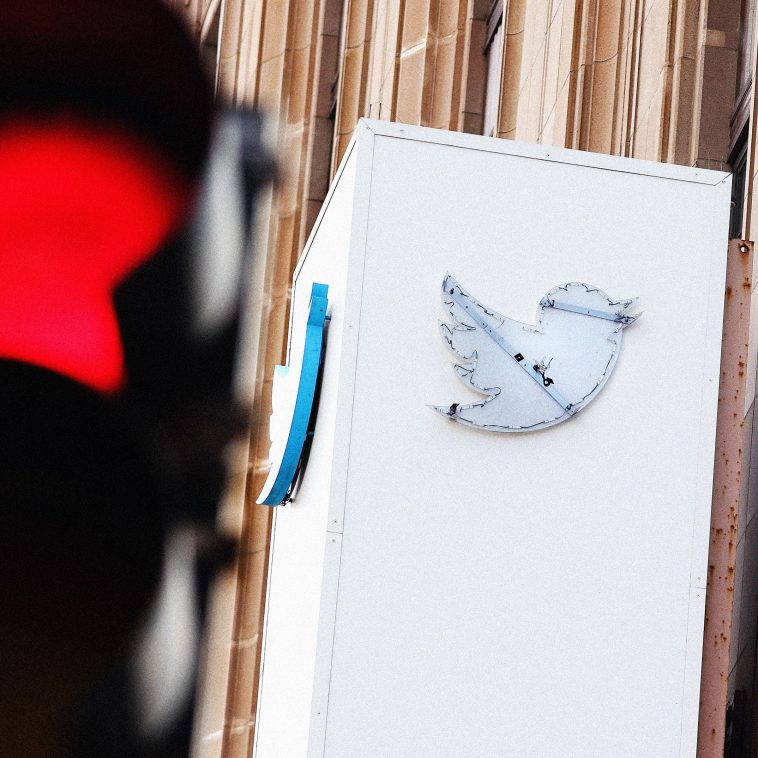
A Virginia startup calling itself Operation Bluebird announced this week that it has filed a formal petition with the US Patent and Trademark Office, asking the federal agency to cancel X Corporation’s trademarks of the words “Twitter” and “tweet” since X has allegedly abandoned them.
“The TWITTER and TWEET brands have been eradicated from X Corp.’s products, services, and marketing, effectively abandoning the storied brand, with no intention to resume use of the mark,” the petition states. “The TWITTER bird was grounded.”
If successful, two leaders of the group tell Ars, Operation Bluebird would launch a social network under the name Twitter.new, possibly as early as late next year. (Twitter.new has created a working prototype and is already inviting users to reserve handles.)
Neither X Corporation nor its owner Elon Musk immediately responded to Ars Technica’s request for comment.
Michael Peroff, an Illinois attorney and founder of Operation Bluebird, said that in the intervening years, more Twitter-like social media networks have sprung up or gained traction—like Threads, Mastodon, and Bluesky. But none have the scale or brand recognition that Twitter did prior to Musk’s takeover.
“There certainly are alternatives,” Peroff said. “I don’t know that any of them at this point in time are at the scale that would make a difference in the national conversation, whereas a new Twitter really could.”
Similarly, Peroff’s business partner, Stephen Coates, an attorney who formerly served as Twitter’s general counsel, said that Operation Bluebird aims to re-create some of the magic that Twitter once had.
“I remember some time ago, I’ve had celebrities react to my content on Twitter during the Super Bowl or events,” he told Ars. “And we want that experience to come back, that whole town square, where we are all meshed in there.”
Could It Work?Elon Musk bought Twitter in 2022 for $44 billion. He eventually changed the company name and brand identity from Twitter to X. That decision, Operation Bluebird says, created an opening for the Twitter name to be formally abandoned.
In July 2023, Musk himself tweeted that “we shall bid adieu to the twitter brand, and gradually, all the birds.”
That was when Peroff, a Chicago-area attorney specializing in trademark and IP law, saw an opportunity not only to claim the name Twitter but also to use the iconic illustrated logo that was affectionately referred to internally as “Larry Bird.”
Peroff and others began formally organizing Operation Bluebird, a way to bring back Twitter in name, services, and format, catering in particular to commercial brands.
Some corporations have been reluctant to advertise on X for fear that they will be associated with unsavory content, such as extremist views, scam-like posts, or pornbots. In September 2024, market research firm Kantar put out a study noting that 26 percent of surveyed marketers planned to abandon their ad campaigns on X.
“We think our moderation tools will help the discussion evolve into something more responsible,” Peroff said. “Brands are stuck on X because they have no other place to go.”
While Threads, which is owned by Meta, began testing ads earlier this year, only recently did it reach the scale—around 400 million monthly active users—that Twitter had at the time of its acquisition by Musk. Neither Mastodon nor Bluesky have any advertising for the time being.
Mark Lemley, a Stanford Law professor and expert in trademark law, told Ars that X might be able to defend the Twitter marks if it can show that it is still using them.
“Mere ‘token use’ won’t be enough to reserve the mark,” Lemley wrote in an email. “Or [X] could defend if it can show that it plans to go back to using Twitter. Consumers obviously still know the brand name. It seems weird to think someone else could grab the name when consumers still associate it with the ex-social media site of that name. But that’s what the law says.”
Mark Jaffe, an intellectual property attorney in California who is not involved in the case, thinks that X Corporation may have a battle to keep the Twitter marks.
“Once it’s no longer prominent on the website and the owner, the CEO, says it’s now called this and not that,” he told Ars, “I don’t know how you beat an abandonment argument.”
This story originally appeared on Ars Technica.






GIPHY App Key not set. Please check settings