 Mr Viral
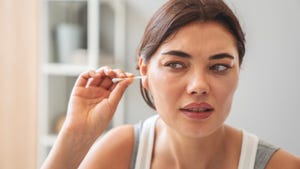
If you’re using Q-tips to clean your ears, you may be doing more harm than good.
Many people use Q-tips or cotton swabs to clean their ears, believing that this is an effective method due to the Q-tip’s ability to remove earwax and the satisfying sensation it provides. However, using a Q-tip to clean your ear could actually do more harm than good, leaving your ears vulnerable to injury and potentially increasing your risk of hearing loss.
If you can’t use a Q-tip, then what are you supposed to do to clean your ears? There are safer techniques, which we outline below.
Don’t miss any of our unbiased tech content and lab-based reviews. Add CNET as a preferred Google source.
Why you should stop using Q-tips for ear cleaning The cotton swab, also known as the Q-tip, is the most commonly used device used for cleaning your ears. But their shortcomings highlight the fundamental problem with using these kinds of instruments for earwax removal.
Because of their long, narrow shape, Q-tips are more likely to push earwax deeper into your ear than remove it. Using one to clean your ear canal can actually compact the wax, creating a blockage that makes it harder to hear.
Worse still, if you push a Q-tip too hard or too far into your ear canal, you may actually puncture your eardrum. The ear canal is only about an inch (2.5 centimeters) deep, so there’s not a lot of margin for error. One ear, nose and throat specialist CNET previously spoke with has treated patients who seriously damaged their eardrums by answering the phone with a Q-tip still in their ear. That’s a phone call that can truly ruin your day.
In general, it’s best to use cotton swabs — or even just a tissue or damp, clean rag — to clean the outer portion of your ear, outside the canal.
There are ear drops you can use to clean your ears. Just consult your doctor first.
ronstik/Getty ImagesHow to safely clean your earsAs gross as we may think it is, earwax is actually essential to your ear health. According to Harvard Medical School, not only does it lubricate your ear canal and protect your eardrum, but it also has antibacterial and antifungal properties. It naturally protects against harmful buildup, gathering dead skin cells and dirt as it gradually moves toward your outer ear on its own.
In other words, earwax makes your ears naturally self-cleaning. In most cases, you don’t need to dig into your ear canals or do anything to clean them out — they’ll do the job on their own.
Some people produce more earwax than others, which can cause excessive buildup and lead to discomfort or hearing problems. Hearing aid wearers, in particular, can experience excessive earwax buildup due to the increased vibrations in their ears. Whatever the cause, if earwax is bothering you, it’s essential to consult a doctor and determine the best course of treatment.
If your doctor gives the thumbs-up, there are a few DIY ear-cleaning methods that can be done safely and effectively:
Wipe with a damp washcloth: This is the safest and best method of all. You can’t really get inside your ear canal with your finger, and gently rubbing around the outside of it with a damp cloth is usually sufficient to clear out any earwax buildup.Rinse your ear canal: If you think you may have some earwax stubbornly lodged in your ear canal, you can often rinse it out, per Harvard Medical School. Soak a cotton ball in warm water, a saline solution, mineral oil or hydrogen peroxide, then hold it over your ear canal and tilt your opposite ear toward the floor. After you let it drip in and soak into the wax for a minute or so, tilt your head the other way and let the softened wax drip out.Try over-the-counter ear drops: These drops serve much the same function of “ear irrigation” as the above method but may also come with a dropper or bulb syringe. Doctors recommend avoiding the syringe if you have damaged your eardrum, as this can let water into the middle ear and put you at risk of serious infection.How not to clean your earsAlthough the above methods of earwax removal can be done safely, there are some popular tools and techniques you should avoid. These may be popular on social media, but that doesn’t mean they’re safe for your ears.
Ear candling: Ear-candling kits, which have grown in popularity in recent years, claim to soften the wax and draw it out by lighting a flame on a long funnel that you place in your ear canal. According to Consumer Reports, this method is highly dubious among doctors. The Food and Drug Administration has long recommended against using ear candles because of the risk of burns and punctures.Ear-cleaning kits that can go deep into the ear: Some kits offer tiny spade-like or drill-shaped tools that promise to pull wax out of your ear canal. However, doctors urge caution with these types of instruments. Some of them can go dangerously deep into your canal, while others are sharp enough to cut your ear canal.Any sharp objects: As noted above, it’s best to avoid anything sharp, whether it’s a store-bought tool or a bobby pin. Cuts can cause bleeding and scabbing, which can obstruct your hearing and expose you to infection. There are several methods to avoid when cleaning your ears and Q-tips are one of them.
Getty/Suchart Doyemah/EyeEmWho shouldn’t clean their ears at home?Individuals with diabetes or those who rely on blood thinners should exercise extra caution when cleaning their ears. These conditions make it more difficult to stop bleeding, and that’s particularly problematic if you get tiny cuts inside your ear from cleaning it too roughly.
Those aren’t the only people who should think twice before digging into their ears, though. In most cases, it’s best to leave ear-canal cleaning to the professionals. They have better tools and a better view and can help you remove earwax safely.
The safest way to keep your ears clean is to wet a cloth with warm water and wipe around the outer ear. Using warm water is best because it’ll help “degrease” the area. You can also use the irrigation method to rinse your ear. While you might feel that the long, narrow shape of a Q-tip makes it the most effective way to keep your ear clean, its design can lead to injuries, especially if a Q-tip is pushed in too deep.
While earwax may seem gross, removing it isn’t actually necessary. This waxy substance plays a key role in keeping the inner parts of your ear protected and lubricated. You should only look into removing earwax if it’s causing you ear pain or some degree of hearing loss.
Earwax protects and moisturizes your ears, so it’s best not to remove it all. If you feel that you have too much earwax in your ears, you should consult your doctor.
The information contained in this article is for educational and informational purposes only and is not intended as health or medical advice. Always consult a physician or other qualified health provider regarding any questions you may have about a medical condition or health objectives.





GIPHY App Key not set. Please check settings