 Mr Viral
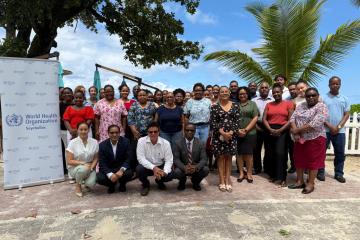
Victoria ‒ Seychelles has validated a comprehensive strategic plan 2025‒2030 designed to protect the health of its people by tackling tropical and vector-borne diseases. This plan lays out clear actions to prevent, control and eliminate diseases like leprosy, rabies, dengue and leptospirosis, while addressing new threats driven by climate change and increased movement of people and goods.
Vector-borne and neglected tropical diseases continue to pose a public health challenge in Seychelles. While notable progress has been made in controlling diseases like lymphatic filariasis and soil-transmitted helminths, others such as dengue and leptospirosis remain a public health concern. Recent re-emergence of Zika and chikungunya highlights the need for sustained vigilance.
A One Health approach
The plan was developed through a consultative process with stakeholders from human health, animal health and environment sectors, referred to as the One Health approach. Dr Jude Gedeon, Public Health Commissioner, underscored the importance of the plan, indicating that “this plan will strengthen vector plus disease surveillance, improve coordination across sectors and keep Seychelles resilient as health threats evolve”. He also lauded the plan’s strategic approach that will facilitate further investments in community engagement, training and research to better ground the country’s ongoing efforts in real-world needs and evidence.
Building on lessons from past initiatives, the new strategic plan integrates vector control and disease management into one comprehensive approach that benefits all communities. The plan aligns with the Seychelles National Health Strategic Plan 2022‒2026 and international frameworks including the Global Roadmap for Neglected Tropical Diseases, the Global Vector Control Response 2017‒2030 and the African Region’s Strategic Framework for Integrated Control and Elimination of Tropical and Vector-borne Diseases.
Stronger surveillance for faster response
A national vector surveillance system is being established in Seychelles to monitor mosquitoes’ population, behaviours and insecticide resistance. This real-time system will help detect disease transmission patterns early, enabling timely interventions and responses to potential outbreaks and improve public health protection.
“This plan represents a critical step in strengthening Seychelles’ capacity to further prevent, control and eliminate tropical and vector-borne diseases,” said Dr Rex Mpanzanje, WHO s Representative in Seychelles. “It builds on the country’s strong public health infrastructure and achievements so far, which include interruption of transmission of lymphatic filariasis, leprosy and soil-transmitted helminths.”
WHO played a key role of providing expertise used in situation analysis and development of the plan.
Communities and individuals can play an active role by maintaining clean environments, reporting disease symptoms early and staying informed about health protection measures.




GIPHY App Key not set. Please check settings