 Mr Viral
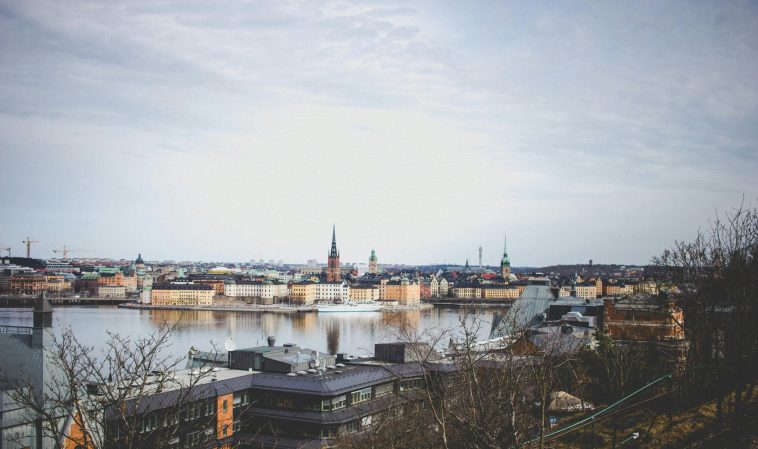
ATG’s CEO proposed following the UK in increasing the amount of tax on online gambling operators in Sweden.
Gustaf Hoffstedt, secretary general of the Sweden Trade Association for Online Gambling (BOS), has hit out at a suggestion from AB Trav och Galopp (ATG) CEO Hasse Lord Skarplöth to raise Sweden’s gambling tax, branding the proposal as “self-harm” to the country’s market.
Skarplöth pitched the idea earlier this week, suggesting Sweden should follow the UK in increasing the amount of tax that licensed online operators pay, while excluding horse racing from the tax hike.
Last week’s autumn budget saw the UK government raise remote general betting duty from 15% to 25% from April 2027, with remote gaming duty to rise from 21% to 40% in April 2026. Horse racing and self-service betting terminals, spread betting and pool bets were exempt from the hikes.
However, Hoffstedt has hit out at Skarplöth’s idea. He said higher tax could lead to further growth within what he described as “one of Europe’s largest black markets”.
“Raising the tax on online casino in a market with one of Europe’s largest black markets is not precision, it’s self-harm,” Hoffstedt said. “Higher taxes don’t reduce risk; they push players offshore, weaken consumer protection, and shrink the regulated ecosystem.”
Higher taxes place channelisation at risk
Hoffstedt’s primary concern was channelisation and the impact higher taxes would have on this dropping rate.
Last month, ATG said online gambling channelisation in Sweden was between 74% and 85% in Q3 of 2025. Regulator Spelinspektionen estimated channelisation had dropped to 85% in 2024, 1% lower than in 2023.
The most recent forecasts falls short of the government’s long-term channelisation target of 90%. This was set in 2019 upon the launch of Sweden’s regulated iGaming market. Hoffstedt said higher taxes on online gambling would widen the gap between licensed and unlicensed operators, thus pushing the rate down.
“The solution for problem gamblers is not higher taxation; it is regulation and that starts with channelisation,” he said. “Raising taxes is the very opposite of such responsible taking policy.
“If the goal is channelisation and safety, then increasing the gap between licensed and unlicensed operators is the opposite of responsible policy.”
BOS questions rationale for focus on iGaming
Hoffstedt also questioned the decision to target online gambling with new taxes. The BOS recently published data that showed gambling-related problems had not increased since Sweden’s legal online gambling market launched in January 2019.
BOS figures placed the percentage of Sweden’s population with a Problem Gambling Severity Index (PGSI) score or three or more – indicating some level of harm – was 1.3% in Q4 2024, compared to 2.2% when the market opened. This was despite a sharp rise in the availability of online gambling to consumers.
“All forms of gambling appear equally harmless for those without risk,” Hoffstedt said. “But all types of gambling appear to be dangerous for those who already have gambling problems, with the highest share of problem gamblers found within the lottery segment.”
Increasing horse racing tax more ‘rational’
Reflecting on Skarplöth’s suggestion, Hoffstedt noted if there were an increase in tax in Sweden, it should be specifically on horse racing betting rather than online casino. He said this would be more “rational” from a channelisation and consumer protection point of view, to reduce the amount online operators have to pay.
“The only exception of the low Swedish gambling channelisation is horse betting,” he said. “That particular segment of the gambling market has a channelisation between 98% and 99% percent.
“It would from a channelisation and consumer protection point of view be more rational to do the opposite, i.e. raising the tax on horse betting and lowering the tax on everything else.”
The body’s opposition comes after it also blasted a suggestion to ban online bonuses in Sweden. Last month, both Svenska Spel and ATG proposed a blanket ban on bonuses, but BOS accused the two operators of trying to increase their market share.
Again, Hoffstedt flagged concerns over how a ban could drive players to unlicensed sites, which may offer bonuses but not the same protection measures as approved brands.



GIPHY App Key not set. Please check settings