 Mr Viral
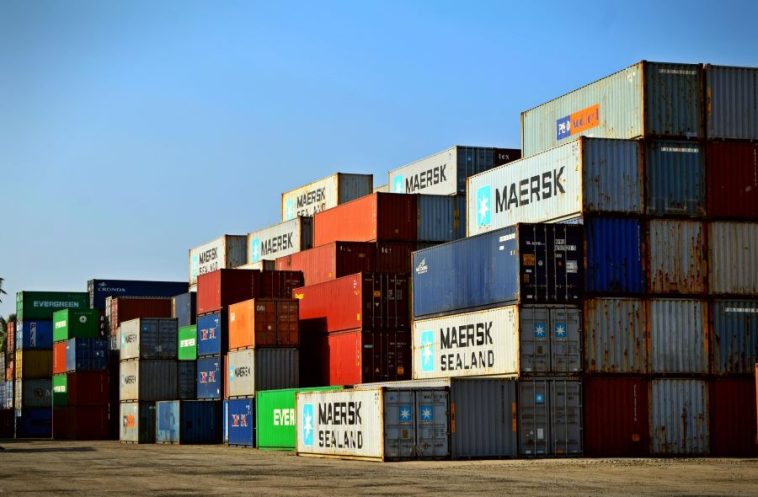
Freight, warehouse, and labor expenses now form a major share of logistics budgets. CFOs require financial visibility that connects per-order cost, freight variance, labor efficiency, and return-related expenses directly to cash flow. Rising inventory carrying costs and higher carrier rates increase the need for standardized definitions and consistent data reporting across operational functions.
Structured reporting enables finance to identify persistent cost drivers, track supplier compliance, and evaluate fulfillment performance at the SKU level. Monthly dashboards that display cost, productivity, and variance data establish measurable links between logistics performance and profitability. This information foundation strengthens forecasting accuracy and supports timely adjustments in spend allocation and partner performance review.
Connecting Operations to Real Costs
A clear cost segmentation into direct and indirect categories reveals how warehouse activity influences spending behavior and simplifies variance analysis across channels. Including custom kitting services within this structure reduces operational costs by optimizing assembly, bundling, and packaging processes. This allows finance teams to allocate expenses with greater precision and capture efficiency gains that strengthen overall profit margins.
Integrating financial systems with operational platforms streamlines cost flow and cuts reconciliation time. SKU level performance evaluation exposes high resource products and supports targeted margin fixes. Tracking chargebacks, refunds, and quality linked costs ties fulfillment precision to profit and guides corrective action going forward. Use shared reporting to align procurement and operations decisions.
Identifying Cost Drivers Within Logistics
Carrier contract reviews expose surcharge patterns and dimensional weight errors that inflate shipment costs. Examining rate sheets, zone mappings, and fuel surcharge triggers uncovers negotiation levers and leads to precise remediation. Parallel analysis of labor at the process level, including picking, packing, and receiving, reveals productivity gaps and indicates where headcount or training adjustments are justified.
Packaging efficiency measured by cost per shipment, wasted material rate, and damage frequency exposes resource waste and supports right-sizing pack profiles. Systematic reconciliation of vendor and retail chargebacks against contract terms highlights recurring compliance failures and direct penalties. Use monthly scorecards to assign ownership for corrective actions and follow through.
Speed Metrics That Affect Cash Flow
Order-to-ship cycle times directly influence cash flow, inventory turnover, and operational scalability. Monitoring time intervals for picking, staging, and dispatch clarifies process variability across fulfillment channels. Inventory turn metrics verify replenishment balance and provide an evidence base for adjusting order frequency and safety stock without inflating carrying costs.
Payment cycle analysis linked to shipment delay data exposes downstream capital timing impacts. Regular variance tracking across channels defines performance thresholds for finance, procurement, and 3PL evaluation. Consistent monitoring converts timing data into actionable measures that stabilize working capital, accelerate reconciliation, and improve cash conversion efficiency within the current reporting period.
Maintaining Quality to Protect Margins
Accurate quality metrics identify process deficiencies and reduce repeat costs through consistent categorization of fulfillment and product-related errors. Logging operational return causes separately and quantifying rework time create measurable inputs for performance evaluation. Complaint frequency by SKU reveals persistent quality issues and supports prioritization of resource allocation for corrective adjustments.
Inspection rates must be tracked relative to total order volume with standardized sampling rules and completion targets. Dashboards displaying rework and complaint data enable teams to detect variance trends promptly and apply targeted actions. Structured monthly reviews use these data points to guide root-cause analysis, verify compliance, and strengthen margin protection through continuous operational improvement.
Building Financial Transparency With Partners
Shared reporting frameworks give finance, operations, procurement, and 3PLs a single source of truth for cost and performance. A defined monthly reporting cadence, documented metric definitions, and assigned data owners keep scorecards tied to financial objectives, speed reconciliations, reduce attribution disputes, and make it clear who handles variance remediation regularly across channels.
Visible SLAs compared to operational KPIs reveal where service shortfalls increase penalties or working capital strain. Shared-access dashboards that present shipment status, chargeback trends, and per-SKU cost detail reduce time to resolution and support joint root-cause analysis. Make metric governance part of quarterly partner reviews to drive timely corrective actions next quarter.
Strong logistics governance depends on measurable alignment between operational performance and financial outcomes. Tracking freight variance, labor utilization, cycle times, and return metrics identifies cost behavior and supports precise forecasting. Quality control and transparent partner reporting sustain accountability through validated data and standardized definitions. When each metric includes a defined owner, update frequency, and tolerance range, reporting stability improves analytical accuracy. A unified structure integrating cost segmentation, performance tracking, and shared dashboards delivers finance teams consistent visibility into logistics efficiency, cash flow impact, and margin contribution, strengthening quarterly evaluations and long-term financial control across all operational channels.
Reading This Now 15






GIPHY App Key not set. Please check settings