 Mr Viral
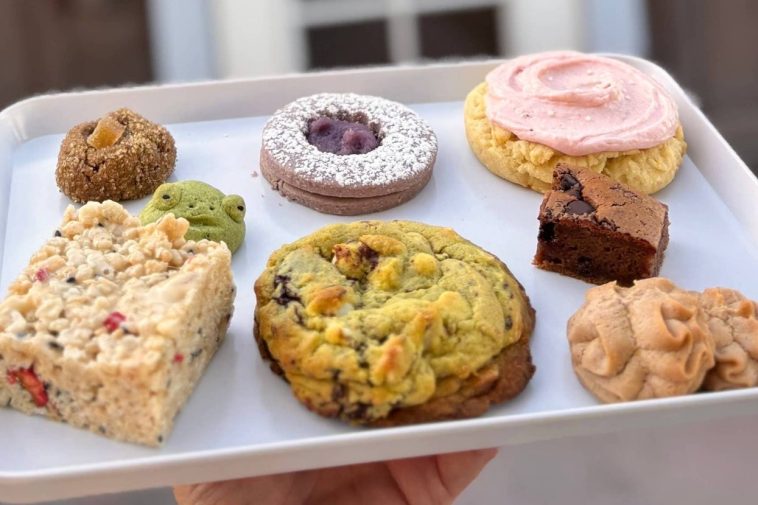
Now that temps have (finally) dropped, baking season is in full swing. Whether you’re an avid baker saving every single cozy recipe that comes across your feed, or just a sweet treat lover who stocks up on Pillsbury printed sugar cookies every year (coincidentally, I am both of these people), you’re likely used to cookies, cakes, pastries, etc., that are par for the course. There is no shortage of “best chocolate chip cookie” recipes out there, or “the softest cinnamon rolls ever.”
A love letter to her third-culture identity, Kat’s cookbook weaves traditional treats with unexpected Asian ingredients for something that uniquely encapsulates her upbringing. “That’s what third culture is — melding, mixing, blending aspects of multiple cultures that are a part of your heritage, your upbringing, your current situation,” Kat told Tasty. “Being a third culture kid is so advantageous in my recipe development and cookbook writing because I can draw from so many cultures for inspiration.”
Kat was born in Canada to a Chinese mother and a Chinese-Vietnamese father. In her book, she reflects on what her kitchen looked like as a kid: a mashup of Western groceries and Asian staples that influenced her to sandwich Reddi-wip between Chips Ahoy cookies, all rolled in pork floss.
It’s these kinds of combinations you’ll find throughout her book. “You get cookies inspired by mooncakes, both sweet and savory, in my upcoming cookbook…and you get some pretty fun, chaotic creations, while still very delicious, with some made with Asian ingredients like pork floss, furu (fermented bean curd), MSG, matcha, and pandan.”
As a baker myself, I wanted to know more about the best way to utilize these ingredients in my own bakes, so I tapped into Kat’s expertise to have her break down her favorite traditional Asian ingredients and how they turn her cookies into a third-culture masterpiece.
Miso does the job of performing a balancing act in cookies, similar to salt (but better). “Miso is one of my favorites, and the word appears 251 times in 108 Asian Cookies,” Kat told me. I haven’t counted, but I trust her. “It helps balance sweetness, like salt does, in cookies. Which also makes my cookie recipes not too sweet.”
“They make you smack your lips too because of that subtle umami, and you keep reaching back for more cookies.” Kat mostly uses red miso in her recipes in place of salt, usually creaming it together with the fats and sugars.
2. Fish Sauce — Another sweetness balancer, fish sauce is made by fermenting small fish (like anchovies) and salt together for several months to a year.
“Lately, I’ve been experimenting more with fish sauce and soy sauce, so those condiments help temper sweetness as well,” Kat explains. “Once you have a soy sauce or fish sauce caramel, you can never go back to a regular caramel, trust me.” Kat describes fish sauce as an “umami bomb” that should absolutely make its way into all of your desserts.
3. Soy Sauce — Speaking of soy sauce, this staple made by brewing soybeans, wheat, salt, and water, and fermented with koji mold, plays another important salty-umami role.
“Soy sauce does the same thing [as miso] in my cookies, and I love adding it to my chocolate desserts, to temper sweetness and add balance,” Kat explains. Her Fudgy Soy Sauce-Chocolate Chip Cookies are a perfect example. “It creates this subtle, savory depth that makes people pause and say, ‘Wait, what is that?'” (Any baker knows that question is the ultimate compliment.)
Developing balanced flavors and not-too-sweet confections is the name of the game when it comes to Kat’s recipes. “Sweetness still leads, but in a gentle, soft way that doesn’t make your teeth ache, like sugar fondant or frostings do.”
Kat recommends reaching for all-purpose or light soy sauce you’d normally cook with.
4. Sriracha — A spicy chili sauce made by pureeing chilies, vinegar, garlic, sugar, and salt.
Spicy ingredients also make their way into Kat’s recipes. In addition to sriracha, she loves using gochujang and chili crisp to add a little kick. “You’d think the treats become too spicy, but it’s quite tempered in the cookies. It adds a kick of heat, not enough to make you sweat, but enough to tempt you to eat another cookie,” Kat says. If you’ve never made cookies with sriracha butter, prepare for your world to change (for the better).
5. Ube — A purple yam that originated from the Philippines. Fresh ube is tough to find, so Kat’s recipes will call for extract.
Ube is Kat’s star ingredient from her book, and between the striking purple color and notes of vanilla, it’s easy to see why. But ube represents more than just a flavor profile to her. “It’s visually stunning, nostalgic, and symbolic of what this cookbook stands for — fusion, identity, and pride,” she says.
Kat’s husband is from the Philippines, and she certainly had him in mind when creating her recipes. “I wanted to make a Christmas cookie that pays homage to his and my son’s heritage, while reminding me of the Linzer cookies.” Thus, her stunning Ube Linzer Cookies were born.
6. Culinary Matcha — A tea powder made from ground young tea leaves that has a striking color (thanks to the high chlorophyll in the leaves) and an earthy flavor.
“I love using culinary matcha to make blondies, cakes, and cookies — and matcha adds subtle umami, earthy notes, nuttiness, and the beautiful green shade,” Kat notes, as evidenced in her vibrant Matcha, Macadamia Nut, and White Chocolate Monsters.
Matcha is typically sold in three grades: culinary, ceremonial, and premium. The differences lie in the complexity of the flavors and grind size. For the purposes of baking, reach for culinary matcha, which has a less complex flavor but is also less expensive.
7. Pandan — A tropical plant found in Southeast Asia. You can typically find frozen leaves at Asian supermarkets.
Similar to matcha, pandan turns your baked goods a striking green color and has a sweet, refreshing taste. “Pandan […] has notes of young coconut and vanilla. It is very refreshing, and I love it in Filipino and Malaysian desserts,” Kat says. She even suggests swapping the matcha for pandan extract in her Matcha Monsters if you’re up for it.
While ingredients like ube, matcha, and pandan have become more mainstream and “trendy” here in the States, Kat notes the importance of honoring their roots. “I want readers to see that these ingredients aren’t ‘exotic’ trends, and that they’re part of living cultures and generations of traditions.” So next time you find yourself eating ube pancakes or sipping a matcha latte, keep in mind that these ingredients “carry stories, memories, and meaning.”
8. Japanese Whisky — With a lighter taste than Scotch, Japanese whisky works beautifully in desserts. Kat personally loves using it as a vanilla replacement.
“Instead of vanilla extract, I always use Japanese whisky now, because a large bottle of Japanese whisky costs about the same as a small bottle of high-quality vanilla extract,” Kat says, which is pretty genius when you think about how extracts are made: by steeping spices, herbs, fruits, etc. in alcohol. The alcohol cooks out, leaving you with a deep, complex flavor.
Kat mentions it’s a great option if you’re looking to “mask the taste of eggs” in your baked goods, like in a chiffon cake, and provides “beautiful extra notes” to enhance your desserts.
9. Glutinous Rice Flour — Flour made by grinding cooked and dehydrated kernels of glutinous rice. Don’t let the name fool you: It’s completely gluten-free and gives desserts a chewy texture.
Glutinous rice flour needs a spot in your pantry if you’re looking to achieve that signature chewy texture in Kat’s mochi cookies and treats. Hot tip: It’s also a great thickener. “Whenever you want to thicken something, like sauces or soups, or add some mochi-ness to it, you have to use this ingredient,” Kat says.
10. Tapioca Starch — Similar to glutinous rice flour, tapioca starch (or flour) gives your baked goods a chewy texture. It’s derived from the cassava plant and is also naturally gluten-free.
You’re probably used to seeing tapioca starch as the main ingredient in boba, giving it that chewy, bouncy texture, but Kat explains that there’s so much more to this ingredient in baking. “When it doesn’t gelatinize with water […] you get very powdery, crumbly cookies that kind of just melt in your mouth, like my Indonesian Cheese Cookies.”
11. Yuzu — A citrus fruit with a blend of sourness, tartness, and floral notes that’s predominantly grown in Japan. Due to import laws, you can’t find fresh yuzu in American supermarkets, but you can still find yuzu extract and juice.
Kat describes the flavor of yuzu as a mix of lemon, tangerine, and grapefruit with “perfumy” notes. If you come across yuzu in a recipe and think, “Can I just substitute lemon?” the answer is sure, but you’ll end up with something totally different. “Yuzu is very floral and a little sweet, with a distinctive, almost perfumy aroma that brightens pastries and cookies in a way lemon can’t,” Kat explains. So, yeah, spring for the yuzu juice.
12. MSG — Aka, monosodium glutamate. MSG brings a special umami to all kinds of foods, but has unfortunately been heavily demonized in Western culture.
“I want people to think of MSG, moving forward, as flavorful salt that has even less sodium than salt,” Kat says, explaining that MSG has been a more predominant part of everyday foods than we realize. “Demonizing MSG for over half a century is quite unfair when it occurs naturally as glutamate in foods such as mushrooms, tomatoes, cheeses, scallops, and even human breastmilk.” Not to mention its prevalence in fast food and other packaged goods that are regularly consumed in the US.
Kat encourages anyone baking her recipes to think of MSG as a sort of flavor-enhancer. “MSG builds up the umami in food — so if you’re making any of my savory or spicy cookies, add a few dashes to your cookie dough or batter. Or if you’re making matcha cookies, the MSG will enhance matcha’s umami notes.”
So next time you’re making cookies, remember my new motto: WWKD (What Would Kat Do)? Or you can just order her cookbook, 108 Asian Cookies, so she can walk you through her third-culture recipes step-by-step (and give you a whole new outlook on traditional Asian ingredients).






GIPHY App Key not set. Please check settings